
Where It All Began
I grew up in a small farm town called Oley Valley, Pennsylvania, located smack dab in the middle of one of the biggest field hockey hotbeds in the United States. So naturally, field hockey was the sport everyone played in Oley. Despite the size of our school, we had been a dominant program for as long as I could remember, consistently producing Division I athletes and winning championships.
So, when I reached third grade and was finally old enough to sign up for Oley Youth League field hockey, it was a no-brainer. Not only did my older sister, Sarah, play, but so did all my friends and their older sisters. Not to mention, practically all of our parents decided to coach us, too. Field hockey was simply the thing to do in Oley, and it created such a special sense of community.
When I first started, I was bad. Like… got benched at tournaments bad.
Yeah, you heard me. There was no such thing as equal playing time in the Oley youth program. We wanted to win! As an eight-year-old, I obviously didn't handle that very well. I remember crying my eyes out in my dad's arms after our last tournament of the season because I was so upset that I wasn't playing.
But looking back, I am SO grateful for that experience. From that moment on, I became obsessed with field hockey and made a promise to myself that I would never be benched again. Who knew youth league field hockey could create such determination in a little third grader?!
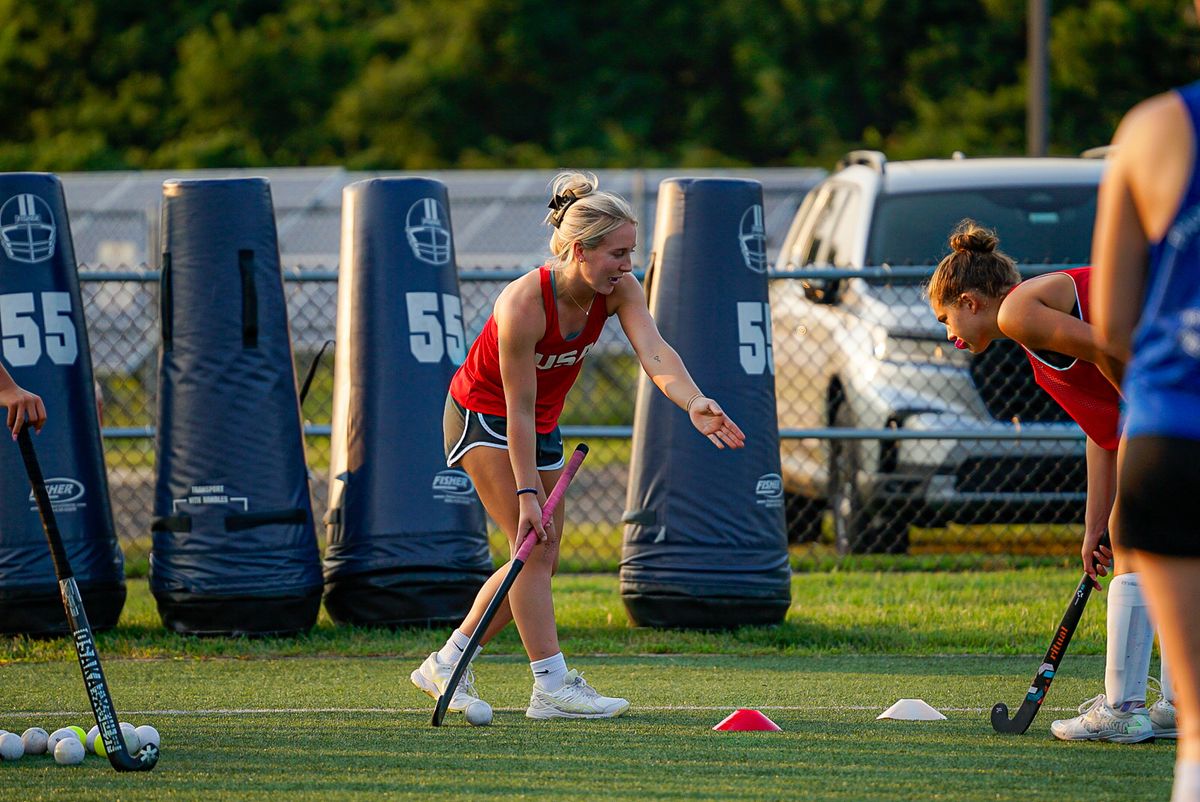
After that season, I was in my driveway all the time. I started practicing my pulls, passing, and receiving — all the basic skills you need to master to become a good field hockey player. Slowly but surely, I started getting better.
I would use anything I could find on the driveway as an obstacle, whether it was a crack in the cement, a leaf, a stick, or even just a random mark on the ground. To me, it was the best defender in the world.
Eventually, though, I found myself a much more challenging practice partner: my dog, Casey. She quickly became a regular part of my driveway training sessions, constantly chasing after me and trying to steal the ball right off my stick. Looking back, I think I owe a lot of my stick skills to her! There was no better way to practice keeping the ball under control than trying to dribble around a dog who was absolutely determined to win possession.
And I mean it when I say I did this every single day. I'd head outside with an old stick in my hand and practice, rain or shine, snow or freezing temperatures. It didn't matter. Even after organized practices, I'd STILL want to go outside and play. I was a little crazy, but it certainly paid off.
Eventually, I started experimenting with more challenging skills, including what would become my signature reverse chip. Unfortunately, my dad's garage lost a few windows in the process… buttt I think it was worth it.
I came back the following season as a completely different player. I even remember some of my friends, who had previously been so far ahead of me skill-wise, noticing how much I'd improved in just one year. I went from barely being able to execute a pull to winning the timed pull competition at camp.
I think that was the moment, as an elementary school athlete, when I truly realized that hard work does pay off. It ignited a fire inside me and gave me a hunger to keep improving.
The rest of my youth league days were some of my favorite memories. Playing in the sunshine at competitive tournaments, eating orange slices, chugging Gatorade, having my dad as my coach, and winning games alongside my friends.
Those little moments helped shape my love for field hockey, a love that would only continue to grow.
Moving Up
Toward the end of my youth league career, I decided to join a club field hockey team called Xcalibur. For me, it was a no-brainer for several reasons. All my friends played there, along with many other athletes and coaches from Oley Valley.
Xcalibur was consistently producing Division I, II, and III athletes, and even a few Olympians. It was one of the top clubs in the country, and by fifth grade, I already knew I wanted to play Division I field hockey. But my dreams didn't stop there. I also wanted to represent the United States on the national team and, one day, become an Olympian.
I knew Xcalibur and its coaches could help me work toward those dreams.
Joining Xcalibur was easily one of the best decisions I made in my field hockey career. It gave me the opportunity to constantly improve my skills, but more importantly, it gave me some of my closest friends and memories I'll cherish forever.
At Xcalibur, I received incredible coaching and had the opportunity to play year-round. By sixth grade, I was playing for my club team, my middle school team, and participating in Futures (now known as Nexus).
Between club practices and tournaments, middle school games, Futures events, junior national team selection tournaments, and camps… there was practically never a day when I didn't have a stick in my hand. And that doesn't even include all the additional clinics and camps I attended.
I was seeing my hard work pay off, too. I even received my first Division I scholarship offer, something I had always dreamed of.
Everything seemed to be falling into place.
But at what cost?
Despite all the success I was experiencing, I was also beginning to struggle with something I never expected: anxiety.
What made it especially difficult was how young I was. I had so much of my field hockey career ahead of me, yet the anxiety was already beginning to take a toll. Before I knew it, I was experiencing burnout, and the love I once had for field hockey was slowly slipping away.
I'll never forget the first time I experienced those overwhelming feelings.
I had recently been selected to attend a U.S. Under-17 Junior National Camp, a weeklong selection camp for a potential spot on the U-17 Junior National Team.
The only catch? I was 11 years old.
I remember sitting in my dad's car, thinking about everything that could possibly go wrong.
I've never been away from home for this long.
I barely know anybody here.
The training is going to be so intense. What if I can't keep up?
I started crying and tried to explain to my dad how scared I was. He helped me understand that what I was experiencing was anxiety, and although it felt scary, it was a normal human emotion.
Ultimately, I decided to attend the camp, convincing myself that those feelings were probably just a one-time thing.
Unfortunately, I quickly realized that wasn't the case.
Little did I know, the anxiety I experienced that summer night at 11 years old would become something I'd grow all too familiar with over the next several years.
After that experience, it seemed like almost every field hockey commitment triggered my anxiety. It felt like this overwhelming weight on my chest that I couldn't get rid of, no matter how hard I tried.
The cycle became exhausting. When I was in the middle of it, I genuinely felt like I would never escape those feelings. As a young preteen, I didn't yet have the tools to understand or manage what I was experiencing, and there were times when my dad would spend hours talking me through it before I could finally get back on the field.
But field hockey was my life. Every week brought another practice, tournament, camp, or commitment, which meant I never really had the chance to escape the very thing that was triggering my anxiety.
And whenever the anxiety finally subsided, even for a little while, I would convince myself it was gone for good. I felt normal again.
Until the cycle repeated itself.
Eventually, I reached a point where I knew something needed to change. I couldn't continue putting myself through that level of stress, and I realized I needed to take a step back from some of my field hockey commitments.
I made the difficult decision to step away from Futures and put my dreams of making the U.S. Junior National Teams on hold.
Thankfully, I had the most incredible support system an athlete could ask for.
Before my final National Futures Championship tournament, I remember having a long conversation with my parents about how stepping away was probably the best decision for me. We agreed that it would be my last USA Field Hockey event for the time being, and I still remember the immediate sense of relief I felt.
I was also terrified to tell my club and high school coaches. I worried they would be disappointed in me or think I was giving up on my potential.
Instead, I was met with hugs, understanding, and unconditional support.
That experience taught me something incredibly important at such a young age: the people who truly cared about me valued my happiness and well-being far more than any roster I could make or accomplishment I could earn.
And for that, I'll forever be grateful.
Slowly but surely, I began to fall in love with field hockey again.
Throughout high school, I focused solely on playing for Oley Valley and Xcalibur. I wasn't constantly traveling to junior national team events or trying to attend every possible camp. I was simply playing field hockey, enjoying my teammates, and having fun.
And honestly? Those were some of the best years of my life.
As I mentioned earlier, Oley Valley had an incredibly successful field hockey program. During my four years, we won four division championships, four county championships, three district championships, made two state championship appearances, and reached the state semifinals twice.
Individually, I became Berks County's all-time leading high school field hockey scorer and ranked fourth nationally at the time, finishing my high school career with 206 goals.
Of course, I'm incredibly proud of those accomplishments. But when I look back on those years, what stands out most isn't the number of goals I scored or the championships we won.
It's how much fun I was having.
I learned that I didn't need to attend every camp, tournament, or national team event to become a successful athlete. I could still work hard, compete at a high level, and chase my dreams without sacrificing my happiness in the process.
For me, what I was doing was enough.
And more importantly, I was happy.
At that point in my life, that was all that mattered.
The Penn State Chapter
Five years in Happy Valley.
In my sophomore year of high school, I verbally committed to Penn State. Little did I know those would be some of the best years of not only my field hockey career, but just my life. Going to Penn State was a no-brainer for me. I fell in love with the campus the first time I stepped foot on it. It felt like home. To me, that was exactly what I needed. And thanks to COVID, I got another year in Happy Valley.
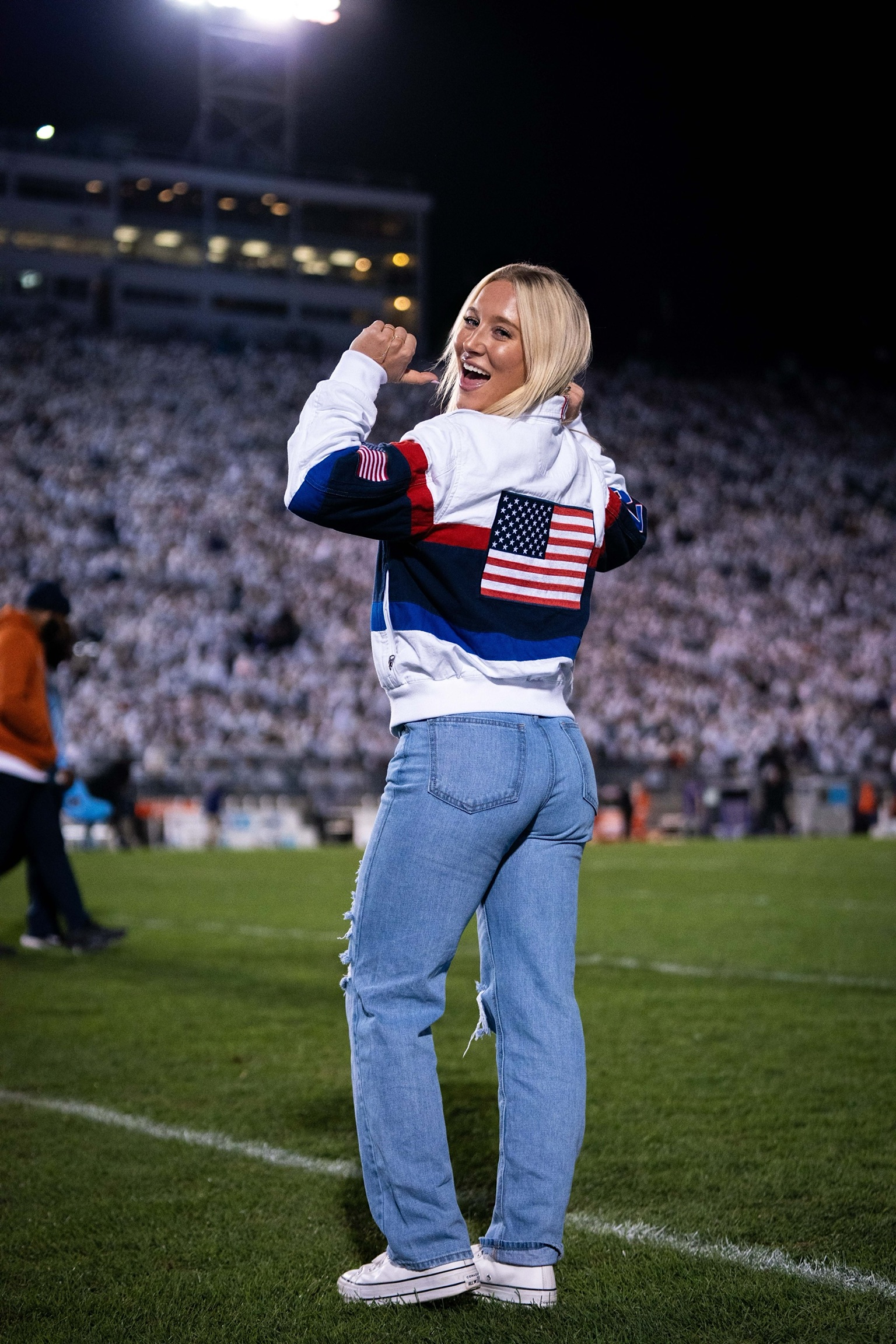
Coming from a small town like Oley, going to a university as big as Penn State was definitely a change, but I absolutely loved it. There is just something so special about being a Penn Stater. The atmosphere, the school pride, the friendships, and getting to represent a university that means so much to so many people made my college experience everything I could have hoped for.
On the field, I was fortunate enough to find success pretty early in my collegiate career. As the years went on, I continued to grow as a player, take on more responsibility, and accomplish things I never could have imagined when I first committed as a high school sophomore. Throughout my five years, I earned five All-American honors, was named Big Ten Offensive Player of the Year twice, Big Ten Player of the Year, and Penn State Female Athlete of the Year. Those are accomplishments I will forever be proud of, especially knowing how much work went into achieving them.
But one of the most special parts of my Penn State journey was getting to return for a fifth season. After taking time away from school to pursue my Olympic dream, I came back to Happy Valley in the fall of 2024 for one final year. That season, I became Penn State's all-time leader in both goals and points, finishing my collegiate career with 94 goals and 202 points. To think that my name is now part of Penn State field hockey history is something I still have a hard time wrapping my head around.
As much as I love looking back at those accomplishments, my favorite memories from Penn State have very little to do with the statistics. It's the everyday moments with my teammates, the bus rides, the practices, the friendships, and simply getting to be a college student-athlete. Those are the things I miss the most, and the things I know I'll never be able to recreate.
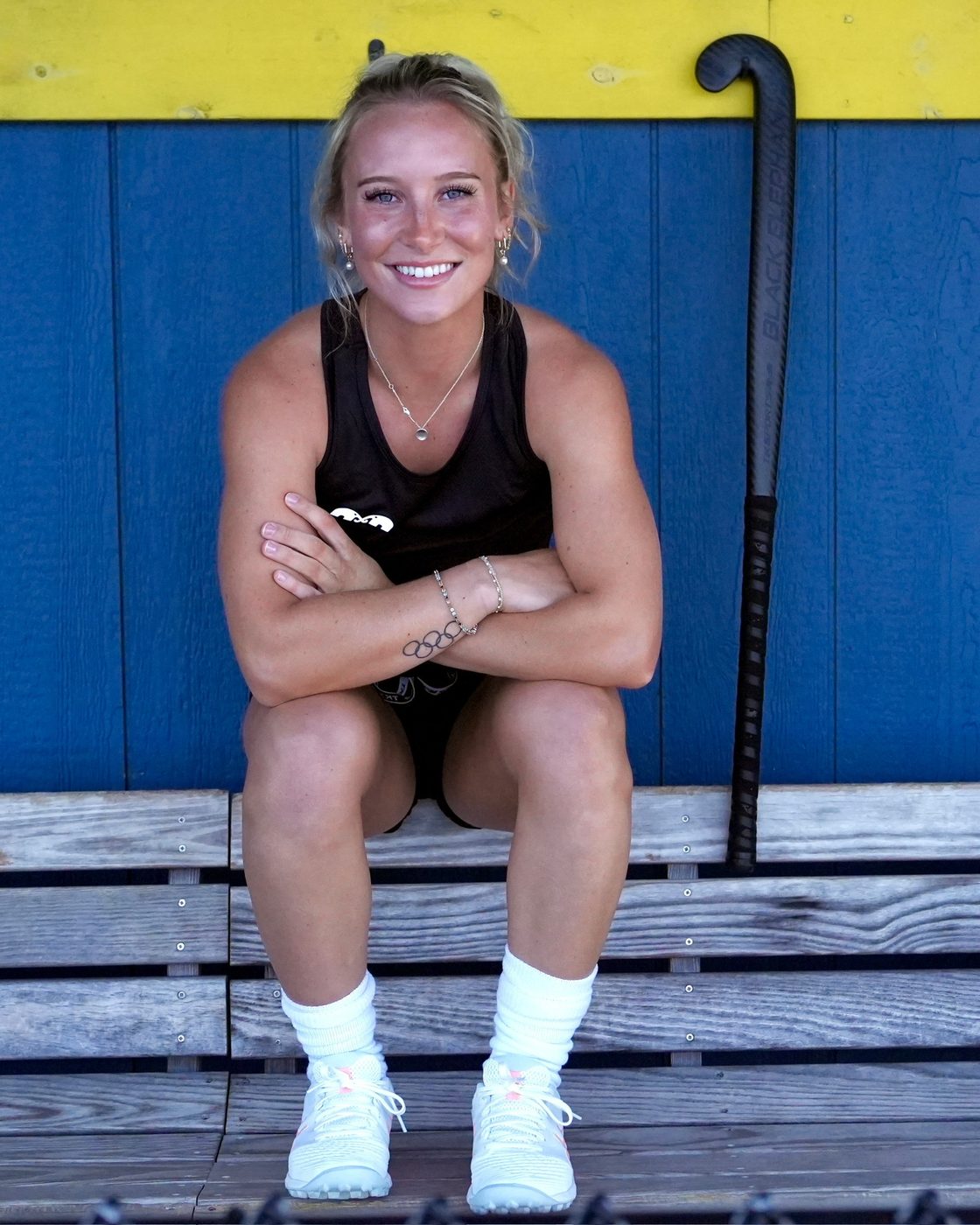
I also earned my degree in Early Childhood Education, something that has become such a meaningful part of my life. I've always loved working with younger athletes and helping others learn, and my experience studying education only strengthened that passion. It's something I continue to carry with me today through my clinics, lessons, and opportunities to connect with the next generation.
Looking back, Penn State gave me so much more than an education or a successful field hockey career. It gave me lifelong friendships, opportunities I never saw coming, and five years of memories that I'll cherish forever. I went there hoping to become a better field hockey player, but I left having grown so much as a person, too.
And somewhere along the way, a dream I had put on hold when I was younger started becoming a reality again.
From Penn State to the World Stage
The dream I never completely let go of.
If you had told 11-year-old me, the little girl who was crying in her dad's car before a junior national team camp, that she would one day become an Olympian, I don't think she would have believed you.
For years, representing the United States was something I had dreamed about, but after stepping away from the junior national team pathway when I was younger, it wasn't something I was actively chasing anymore. I was happy playing at Penn State, focusing on the opportunities in front of me, and enjoying the sport I had worked so hard to fall back in love with.
But sometimes, the opportunities you least expect end up changing your life.
In 2023, I had the opportunity to train with the U.S. Women's National Team, and by early 2024, everything began happening pretty quickly. The team had recently qualified for the Paris Olympic Games, and I received a text from the national team coach asking if I wanted to come down to Charlotte, North Carolina, to train for a potential spot on the Olympic roster.
I mean... how do you say no to that?!
Well, believe it or not, I almost did.
As exciting as the opportunity was, I was also incredibly anxious about it. The team had just qualified for the Olympics, and I knew how much time, hard work, and sacrifice the players had already put into getting there. They had been working toward this goal together for years, and the thought of stepping into such an established environment, especially with Olympic roster spots on the line, was intimidating. I had so much respect for the players and everything they had accomplished, and part of me worried about how I would fit in, both on and off the field.
And if I'm being completely transparent, my anxiety made me question whether I was ready to take that step. It was an opportunity I had dreamed about since I was a little girl, yet there I was, considering turning it down because of the fear of the unknown. It was a familiar feeling, one that brought me right back to being 11 years old, sitting in my dad's car before that junior national team camp.
But this time, I didn't want to let my anxiety make the decision for me. I knew I might never get another opportunity like this, and I owed it to myself to at least try. So, despite all the nerves and uncertainty, I decided to take the leap.
So, I packed my bags, moved to Charlotte, and began training with some of the best field hockey players in the country.
The transition from college field hockey to the international level was a whole new challenge. Everything was faster, more physical, and more demanding. I was no longer just competing against other college athletes. I was training alongside Olympic hopefuls and experienced international players, all fighting for the opportunity to represent our country.
And then, in June 2024, I officially earned a spot on the U.S. Olympic Team.
Just like that, the little girl from Oley Valley, Pennsylvania, who once stepped away from the national team pathway because of anxiety, was going to the Olympic Games.
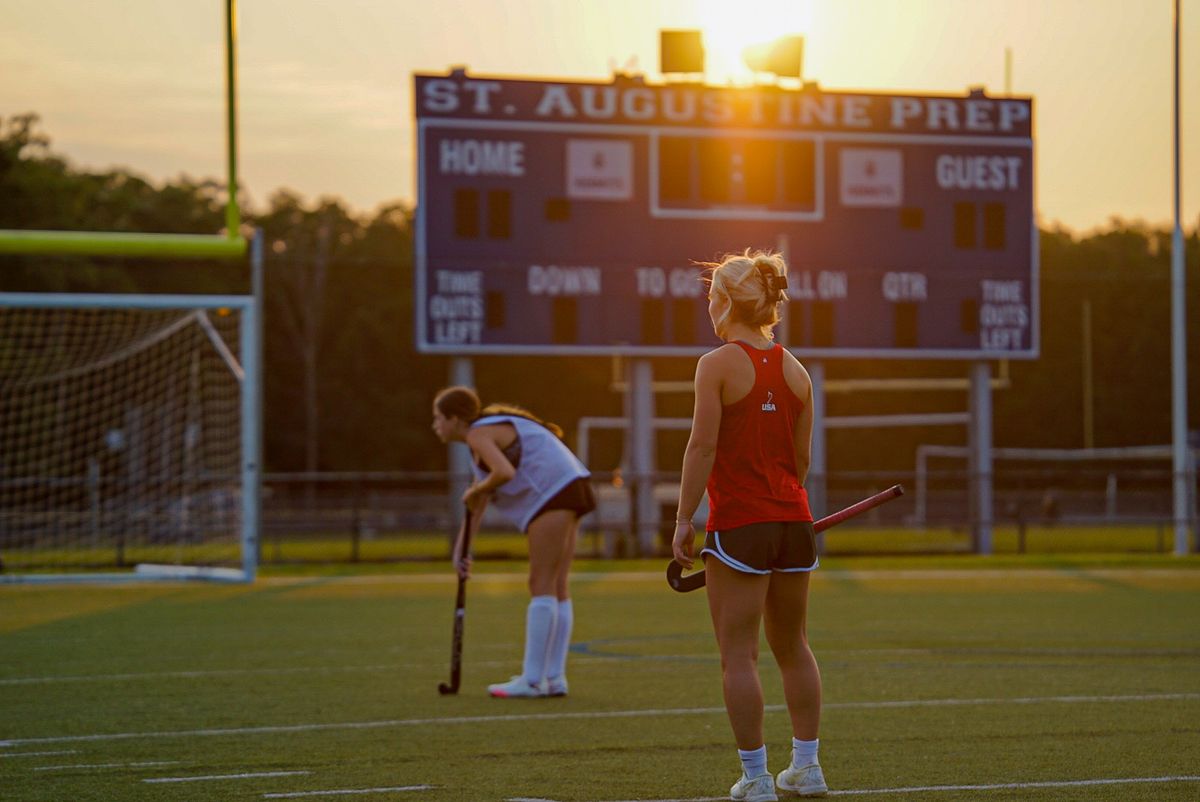
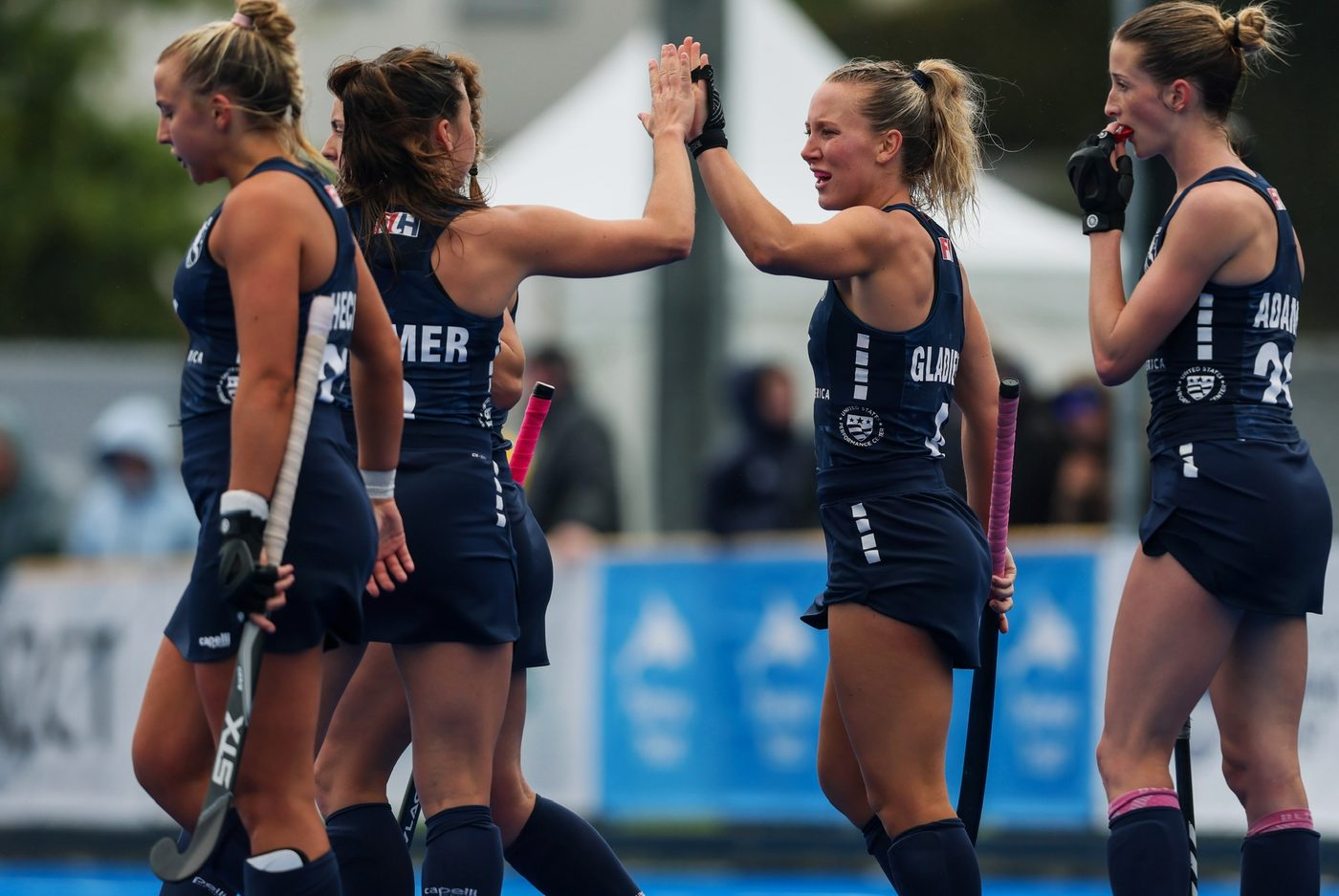
Competing at the 2024 Paris Olympics was an experience I will never forget. Getting to wear USA across my chest, walk into an Olympic stadium, and compete against some of the best players in the world was something I had imagined for years. I even scored my first Olympic goal against Spain, which made the experience that much more memorable.
But becoming an Olympian didn't mean that every challenge suddenly disappeared. If anything, competing at that level introduced an entirely new set of expectations, pressures, and experiences that I had to learn how to navigate.
After Paris, I returned to Penn State to finish my final collegiate season before eventually making my way back to Charlotte to continue my career with the U.S. Women's National Team.
In 2026, I had the opportunity to represent the United States at my first FIH Hockey World Cup in Belgium. It was another milestone that meant so much to me, especially knowing how far I'd come since first joining the national team. Having already experienced the Olympics, I was excited to take on another major international tournament, continue challenging myself against some of the best players in the world, and gain more experience competing at the highest level.
The World Cup was an experience filled with both highs and lows, individually and collectively. I had the opportunity to score a goal on the world stage, something I'll always be proud of, but I also experienced moments that challenged my confidence and reminded me just how demanding international sport can be. It wasn't always easy, and things didn't always go the way I hoped, but I walked away having learned so much about myself, my game, and what it takes to compete at this level.
I think one of the biggest things I've realized throughout my national team career is that reaching a goal doesn't mean the challenges suddenly disappear. Becoming an Olympian didn't mean I stopped feeling anxious, questioning myself, or experiencing setbacks. If anything, each new opportunity has pushed me outside my comfort zone in different ways. But I've learned that growth often comes from those uncomfortable moments, and that the journey is about so much more than the accomplishments themselves.
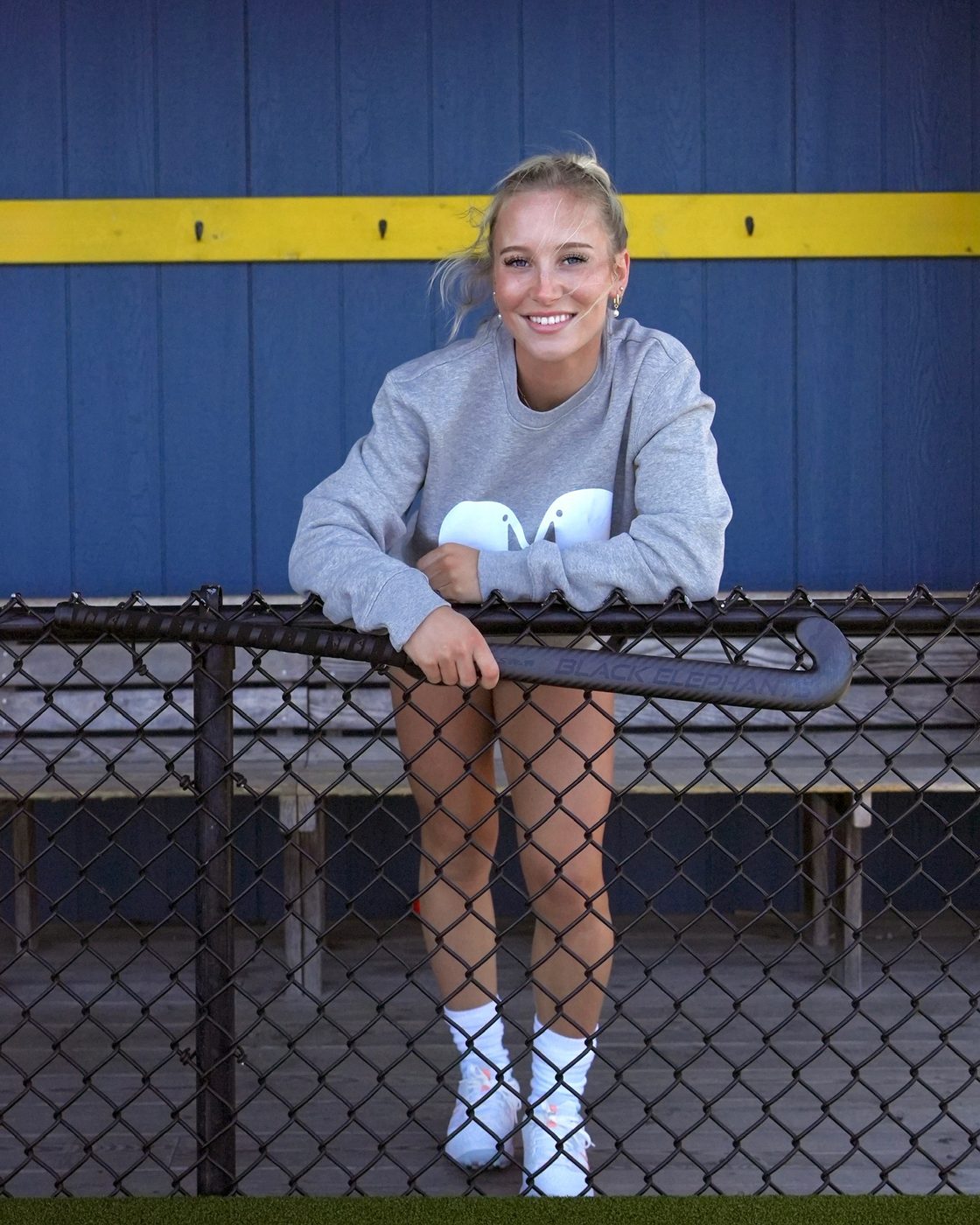
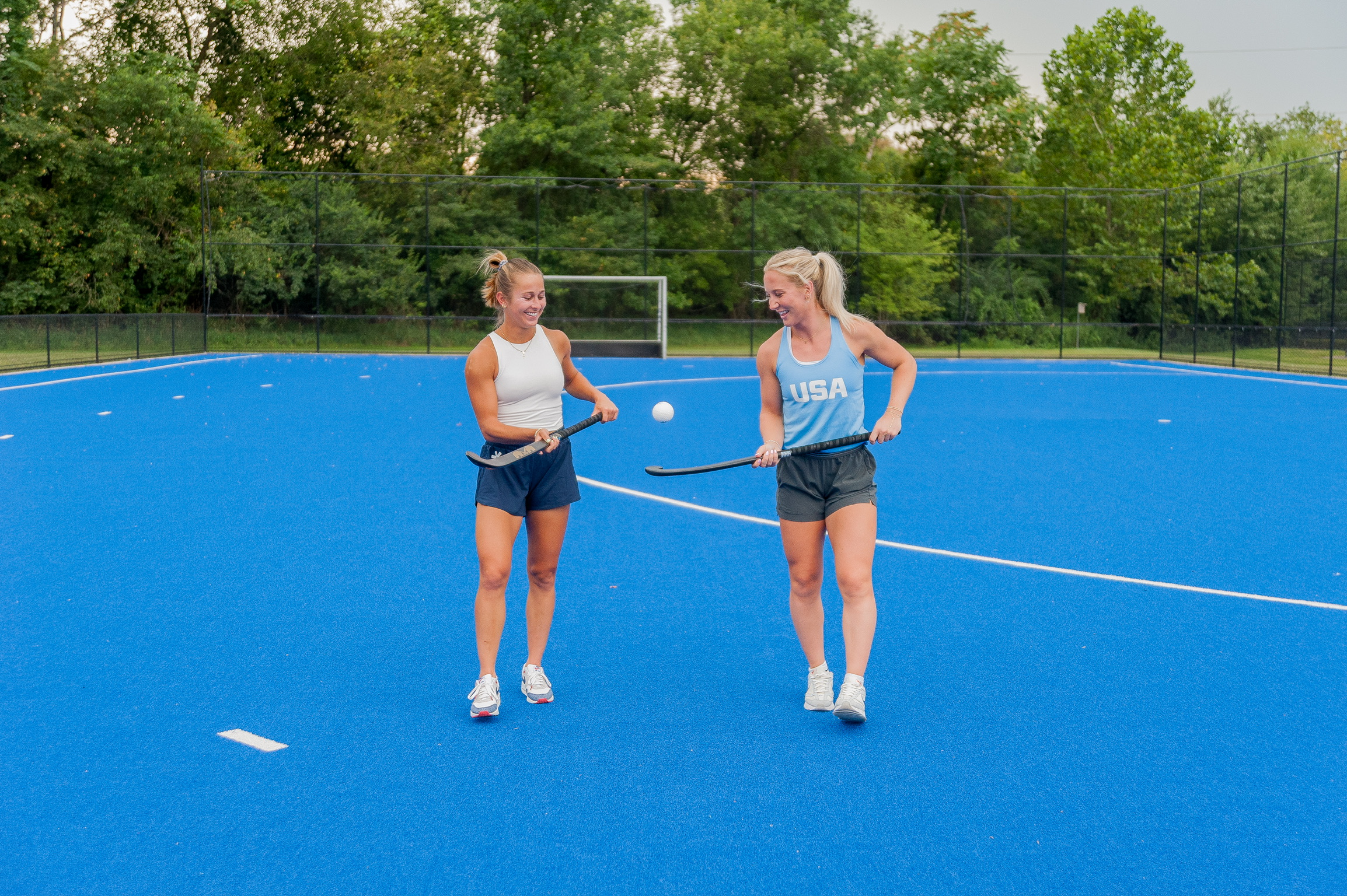
Today, I continue to train and compete with the U.S. Women's National Team as we work toward the 2028 Olympic Games in Los Angeles. It's pretty surreal to think that the little girl who once stepped away from the junior national team pathway is now working toward her second Olympics.
And although I'm incredibly proud of how far I've come, I know there's still so much more I want to accomplish, both on and off the field.
My journey hasn't been a straight line, and I don't think it ever will be. But looking back, I'm grateful for every part of it, even the difficult moments, because they've all played a role in getting me to where I am today.
More Than a Player
You are more than what you achieve.
If there's one thing I've learned throughout my athletic career, it's that success doesn't make you immune to struggles.
From the outside looking in, it's easy to see the accomplishments, the awards, the national team uniform, and the Olympic rings, and assume that everything must be going pretty well. And don't get me wrong, I am incredibly grateful for the opportunities I've had and the things I've been able to accomplish. But what people don't always see are the moments of self-doubt, the pressure, the anxiety, and the challenges that come with pursuing something at such a high level.
As I shared earlier, anxiety has been a part of my life since I was young. And although I've grown so much since that little girl sitting in her dad's car, it hasn't magically disappeared. There are still moments when I get overwhelmed, question myself, or let the fear of what could happen get in the way of enjoying what's happening right in front of me.
I think that's something we don't talk about enough in sports. We're constantly encouraged to be confident, mentally tough, and resilient, which are all incredibly important qualities. But sometimes, that creates the expectation that being a successful athlete means always having it together. That we shouldn't struggle with confidence, feel anxious, or have moments when things just feel hard.
And the reality is, we do. At least I know I do.
For a long time, so much of my identity was tied to field hockey. It was what I was known for, what I spent most of my time doing, and what I was constantly working to improve. When things were going well on the field, it was easy to feel good about myself. But when things weren't going the way I wanted, it was much harder to separate my performance from how I felt about myself as a person.
That's something I'm still learning to navigate.
Because at the end of the day, field hockey is something I do. It's something I love, something I've dedicated so much of my life to, and something that has given me opportunities I could have never imagined. But it's not all that I am.
I'm a daughter, a sister, a friend, a dog mom, and so many other things outside of being an athlete. I have interests, goals, relationships, and dreams that have absolutely nothing to do with what happens on a field. And none of those things become less important because I have a bad game, make a mistake, or don't achieve something I was working toward.
I don't share these experiences because I have everything figured out. Trust me, I don't. I share them because I know how isolating it can feel when you're struggling with something that nobody else seems to be talking about.
If there's one message I hope younger athletes take away from my story, it's that you can have big dreams, work incredibly hard, and want to be the best at what you do, while still giving yourself permission to be human.
You can struggle with anxiety and still be successful. You can make mistakes and still be a great athlete. You can fall short of a goal and still be proud of yourself.
And most importantly, your worth will never be determined by your accomplishments.
Beyond the Game
Making an impact beyond my own accomplishments.
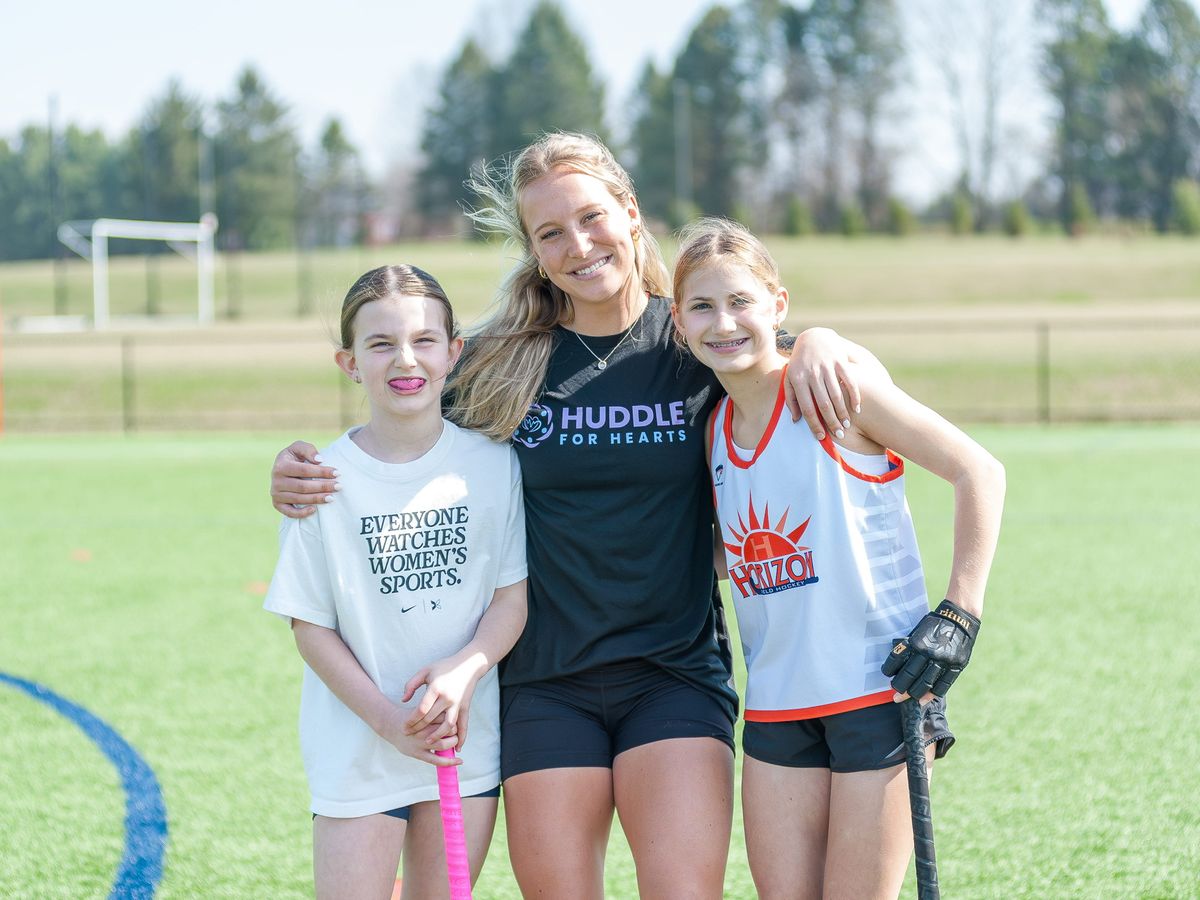
As much as field hockey has shaped my life, one of the most rewarding parts of my journey has been having the opportunity to share my experiences with others, especially younger athletes who are just beginning to chase their own dreams.
Growing up, I looked up to so many athletes who were doing the things I hoped to accomplish one day. I remember how exciting it was to learn from someone who had competed at the collegiate or international level, and how much those experiences motivated me to keep working toward my own goals. Now, being on the other side of that is something I don't take for granted.
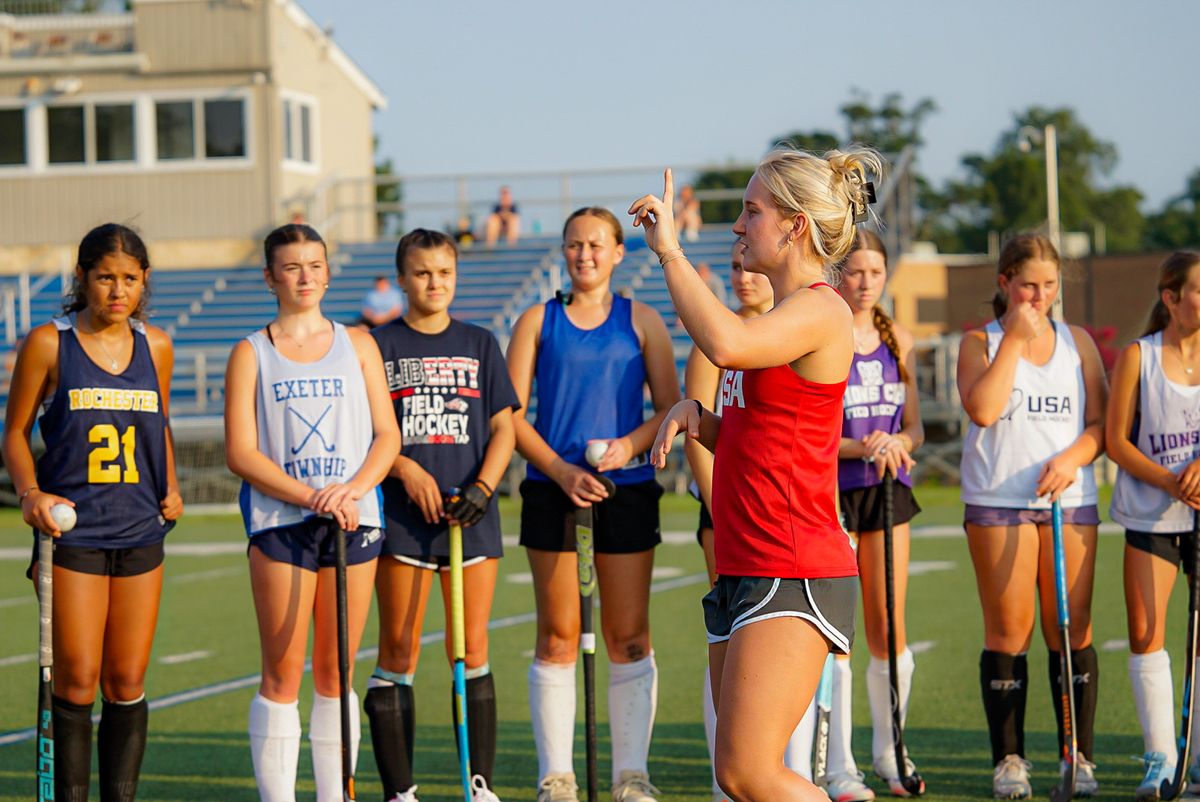
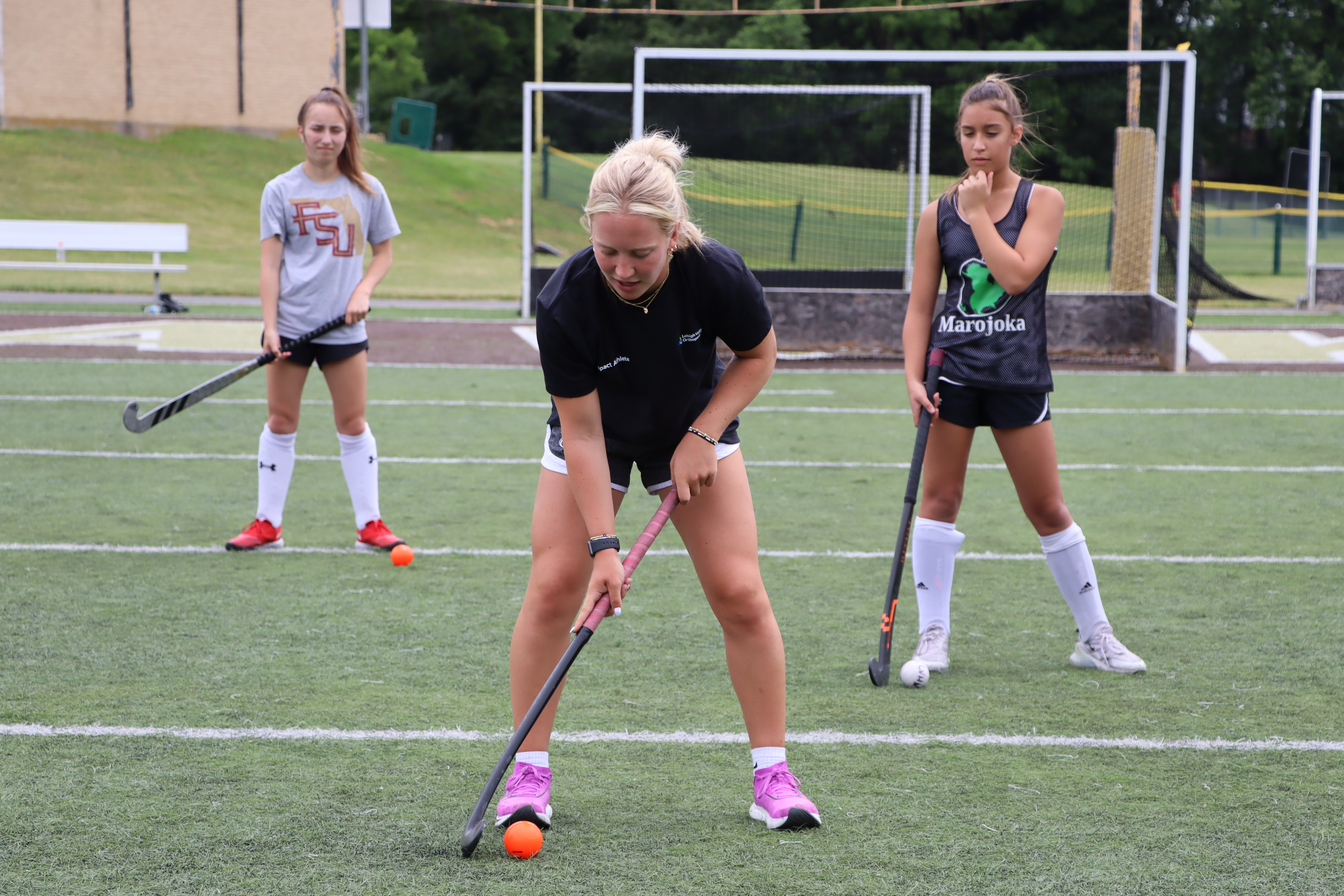
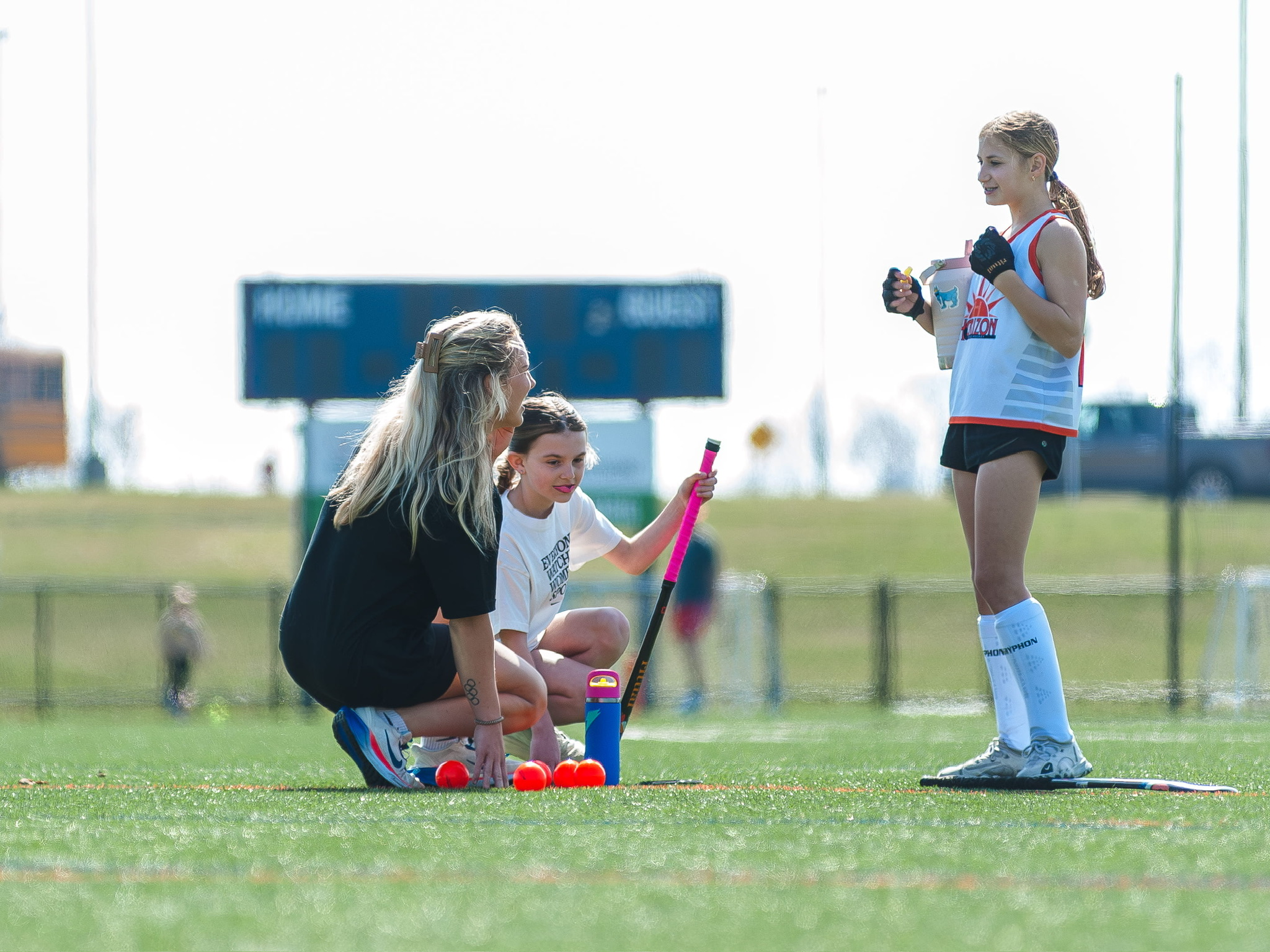
Whether it's through clinics, private lessons, speaking with teams, or simply sharing pieces of my life on social media, I hope to be someone younger athletes can learn from and relate to. Of course, I love helping players improve their skills and become more confident on the field, but I also want them to know that there's so much more to being an athlete than how well you perform. I want to share the lessons I've learned, the mistakes I've made, and the challenges I've faced, because I know firsthand how valuable it can be to hear that even the athletes you look up to don't have everything figured out.
I'm still very much in the middle of my own journey. I have goals I haven't accomplished, experiences I haven't had, and plenty of things I'm still learning about myself. But as I continue working toward those dreams, I also want to make sure I'm using the opportunities I've been given to make a difference beyond my own career.
Because when I look back on everything one day, I hope I'm proud of the goals I scored, the teams I represented, and the accomplishments I earned. But even more than that, I hope I can say that I helped someone believe in themselves, find their confidence, or realize that their dreams were possible, too.
And if there's one thing I hope you take away from my story, it's this: Dream big, work hard, and never forget that who you are will always matter more than what you achieve.